How to Stay Safe Before, During, and After Installing a New Furnace
Gas furnace installation safety considerations explained in simple terms come down to this: gas lines, electrical wiring, venting, and carbon monoxide control must all be handled the right way to prevent fire, gas leaks, and breathing hazards. Installing a furnace is not just about setting a unit in place. It involves fuel, flames, and airflow. If any step is done wrong, your home and family could be at risk.
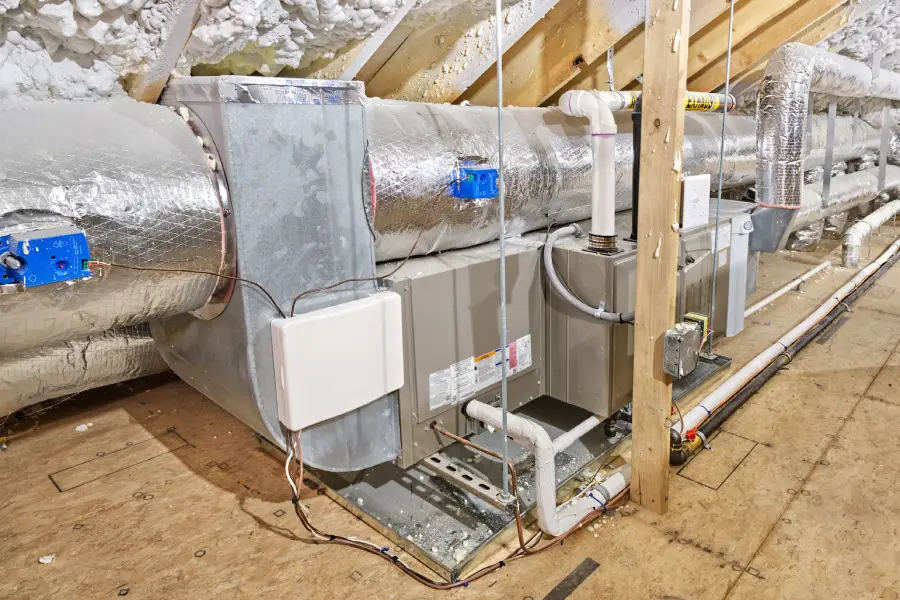
Quick Answer: Why Safety Matters During Installation
A furnace burns gas to create heat. That process creates flame and exhaust gases. If the unit is not set up correctly, gas can leak or fumes can back up into the home. Safe gas furnace installation focuses on tight gas connections, proper vent pipes, correct electrical wiring, and steady airflow. Even small errors can cause major issues weeks or months later.
What You Need Before Starting
Before any gas furnace installation begins, you need the right tools, permits, and knowledge. This is not a simple plug-and-play appliance.
- Approved building permits (if required in your area)
- Correct furnace size for the home
- Proper venting materials
- Gas shut-off access
- Carbon monoxide detectors installed in the home
- Basic understanding of HVAC layout and safety codes
Furnaces that are too large or too small can create airflow problems. A poor fit can also strain parts and shorten the system’s lifespan.
Step-by-Step Safety Overview
While full gas furnace installation should be handled by trained professionals, here is a simplified safety outline of how the process works.
- Turn off gas and electrical power to the work area.
- Remove the old furnace safely and cap the gas line.
- Set the new furnace level and secure it in place.
- Connect the gas line using approved fittings and sealant.
- Install and seal vent pipes to carry exhaust outdoors.
- Connect return and supply ductwork tightly.
- Wire the electrical connections to code.
- Test for gas leaks using proper detection tools.
- Start the system and verify airflow and flame quality.
Each step builds on the previous one. Skipping even one safety check can lead to serious trouble later.
Common Mistakes to Avoid
Many safety issues happen because someone takes shortcuts. These mistakes show up often in failed inspections or service calls.
- Over-tightening or under-tightening gas fittings
- Using the wrong vent pipe size
- Failing to slope vent connectors upward
- Not sealing duct joints properly
- Forgetting to check for carbon monoxide leaks
- Installing without following local mechanical codes
Another major problem is poor airflow. Blocked or undersized ducts can cause overheating. That may crack the heat exchanger over time.
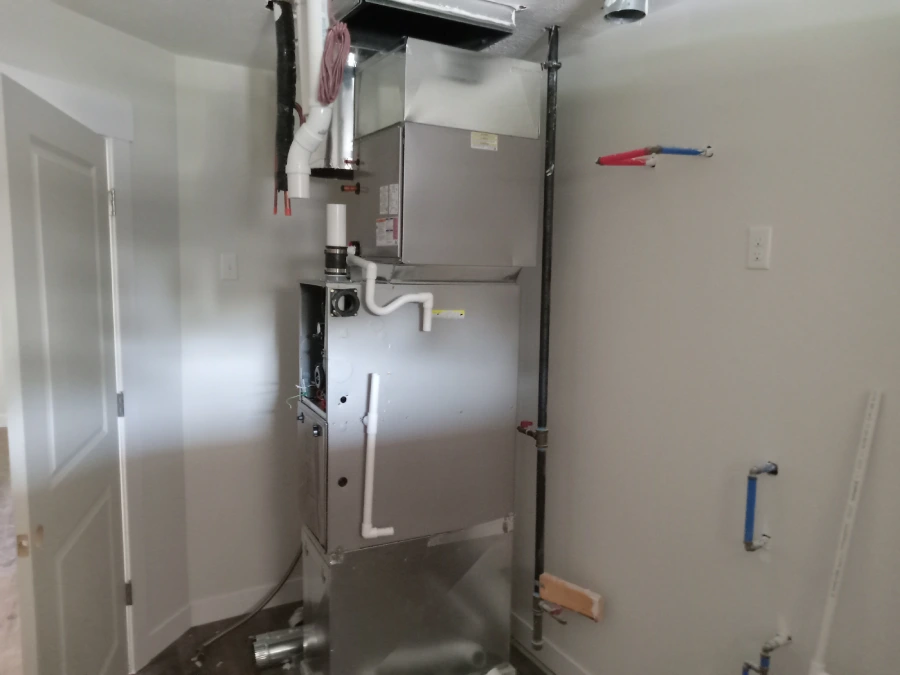
When to Call a Professional
Gas systems are not forgiving. If you smell gas, hear hissing near a line, or feel unsure about any step, stop right away. A faulty gas furnace installation can lead to fire or harmful fumes.
You should contact a licensed technician if:
- You are replacing an older unit with a high-efficiency model
- The venting needs redesign or rerouting
- You must modify gas lines
- Electrical wiring does not match the new system
- Local code requires inspection and certification
Many areas require HVAC work to meet strict mechanical standards. Trained crews follow these codes daily and use proper testing tools. This protects both the home and the warranty on the equipment.
Final Recommendation and Next Steps
Safe gas furnace installation protects your home, your comfort, and your family. While it may seem manageable at first glance, gas connections, airflow design, and ventilation demand expert care. In Lanham, MD, proper setup matters even more during cold winter months when furnaces run for long hours. At First VAS Multi-Craft, we handle each installation with careful testing and code compliance. If you are planning a new system or replacing an older one, call us at (240) 475-3452 and we will walk through the safest options for your home.