How to Choose the Right Furnace Size and Install It the Right Way
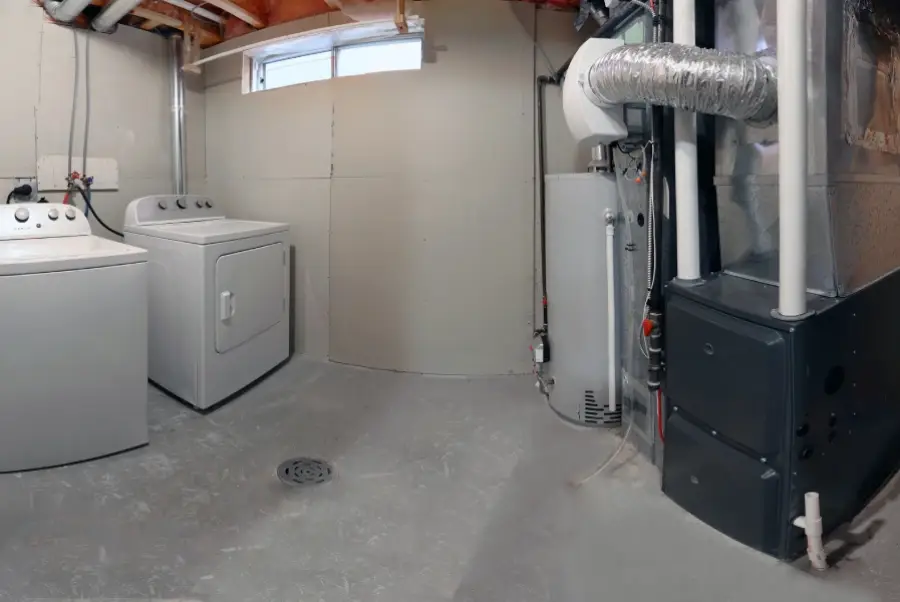
Gas furnace installation and proper system sizing go hand in hand. If the furnace is too small, your home will stay cold. If it is too large, it will turn on and off too often and waste energy. The right size depends on your home’s square footage, insulation, window quality, and climate. A careful plan and correct setup help your system run safely and smoothly for years.
What You Need Before Starting
Before starting any gas furnace installation, gather key details about the home. You need more than just square footage. Two houses with the same size can need very different furnace outputs.
Here is what should be reviewed first:
- Total square footage of the home
- Ceiling height in each room
- Insulation levels in attic and walls
- Number and type of windows
- Local climate conditions
- Existing ductwork size and condition
Professionals often perform a load calculation. This math helps match the furnace’s BTU rating to the home’s heating demand. Skipping this step is one of the biggest sizing mistakes.
Step-by-Step Process for Proper Installation
Gas furnace installation follows a clear process. Each step must be done with care to protect safety and system life.
- Remove the old unit safely and disconnect gas and power.
- Inspect and prepare the existing ductwork.
- Set the new furnace in the correct location and level it.
- Connect gas lines and test for leaks.
- Install venting and flue pipes to direct exhaust safely.
- Wire the thermostat and electrical connections.
- Test airflow, burner operation, and safety controls.
- Check for proper cycling and temperature rise.
After installation, the system should be tested through full heating cycles. This confirms that airflow and combustion are correct.
Common Mistakes to Avoid
Many problems start with poor planning. Oversizing is very common. Homeowners often think bigger means better heat. In reality, an oversized furnace heats too quickly and shuts off too soon. This short cycling can wear out parts faster.
Undersizing is also a problem. A small furnace will run constantly in cold weather. This increases energy use and strain on components.
Other mistakes include:
- Ignoring old or damaged ductwork
- Improper vent pipe slope
- Loose gas fittings
- Bad thermostat placement
Even a strong new unit will struggle if the ducts leak air or are poorly designed.
When to Call a Professional
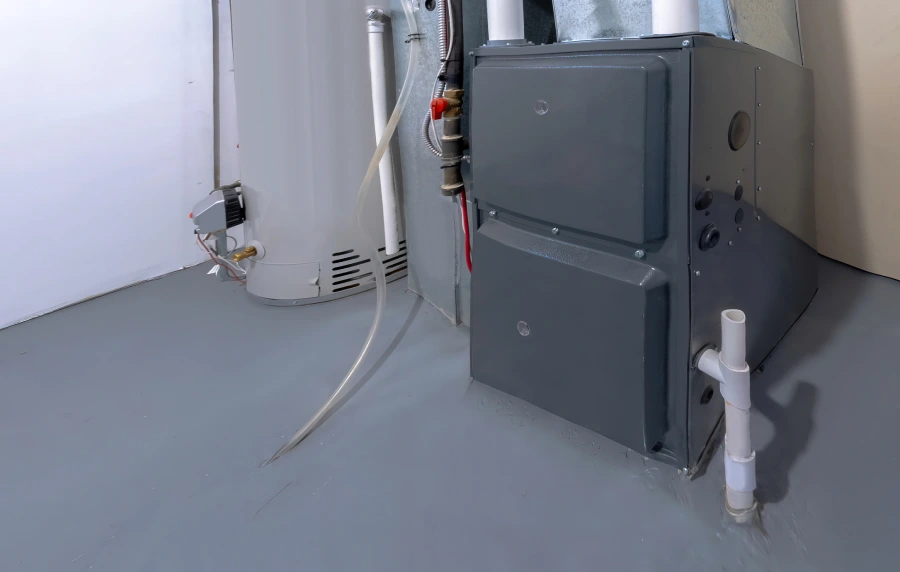
Gas systems involve fuel lines, exhaust gases, and electrical wiring. That makes safety a top concern. Incorrect gas furnace installation can lead to carbon monoxide leaks or fire risks.
Call a licensed HVAC professional if:
- You are replacing a furnace with a different size
- You need new gas lines installed
- Your duct system needs changes
- You are unsure about local building codes
Many areas require permits and inspections for heating system replacement. A trained team understands these rules and follows safe procedures.
Final Recommendation and Next Steps
Proper planning makes all the difference. Correct gas furnace installation combined with accurate system sizing helps lower energy bills and keeps your home comfortable. Skipping load calculations or guessing on furnace size often leads to uneven heating and higher repair costs later.
If you live in Lanham, MD and need help choosing the right heating setup, our team at First VAS Multi-Craft is ready to help. We handle everything from load calculations to full system testing. Call us at (240) 475-3452 to schedule an evaluation and let us help you install a furnace that fits your home the right way.